Step 2 of Building a Better Business
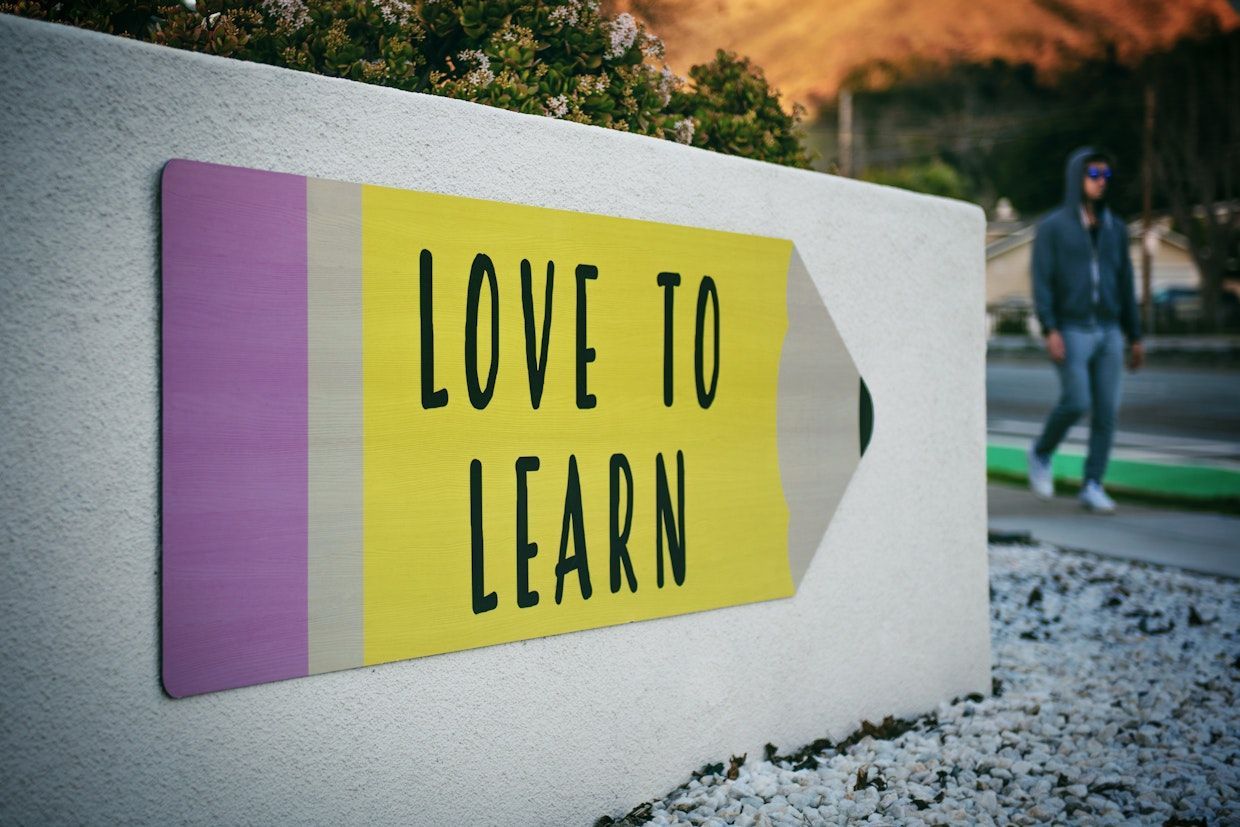
Be open to change and new learning
It’s amazing what we, as humans, don’t even know that we don’t know. New learning opportunities are everywhere, and in this digital world, there’s simply no excuse to avoid new learning.
Consider how many new things a five-year-old learns each day. Children enthusiastically embrace the world of possibility and the desire to learn. Why is it that, the older we get, the more likely we are to close our minds to new learning?
We’re all busy, and sometimes we feel like we just don’t have the time to sit down and read a book. We need to make the time. Set yourself targets and share these with someone who will hold you accountable to achieving these.
Here are five ways to learn more, positioning yourself to run a better business:
1. Read more.
If you struggle to find time to read, set a reminder on your phone to read before bed each night. Start with reading 10 pages, then increase this each week. Mix it up with recreational books and business books. As a bonus, it will help you sleep better!
2. Resist the urge to hang out on your phone.
Unless you’re learning something new. By the way, you’re unlikely to learn on Facebook! Try an eBook, audiobook, podcast, or learning app instead!
3. Enrol in courses or workshops.
These can be online or in person. Choose topics that interest you and will help you in your business.
4. Turn off your TV.
Unless you’re viewing TED talks on YouTube or content that is useful learning.
5. Keep a journal of your learnings.
Review your journal of learnings regularly. Remember, you don’t really know something until you can teach it to someone else.
So, what areas should you be learning more about? It could be leadership, management, sales, or writing skills. Find out the best ways to develop your knowledge and set aside time to learn. Don’t forget to ask someone to hold you accountable. Maybe you could buddy up with someone and meet regularly to share your learnings? Once you begin learning, your hunger to learn will grow.
We can help you take steps to improve your business and ensure it reaches its true potential. Get in touch!
“Live as if you were to die tomorrow. Learn as if you were to live forever.” - Mahatma Gandhi