Should you buy or lease your business assets?
There are certain items of equipment, machinery and hardware that are essential to the operation of your business – whether it’s the delivery van you use to run your home-delivery food service, or the high-end digital printer to run your print business.
But when a critical business asset is required, should you buy this item outright, or should you lease the item and pay for it in handy monthly instalments?
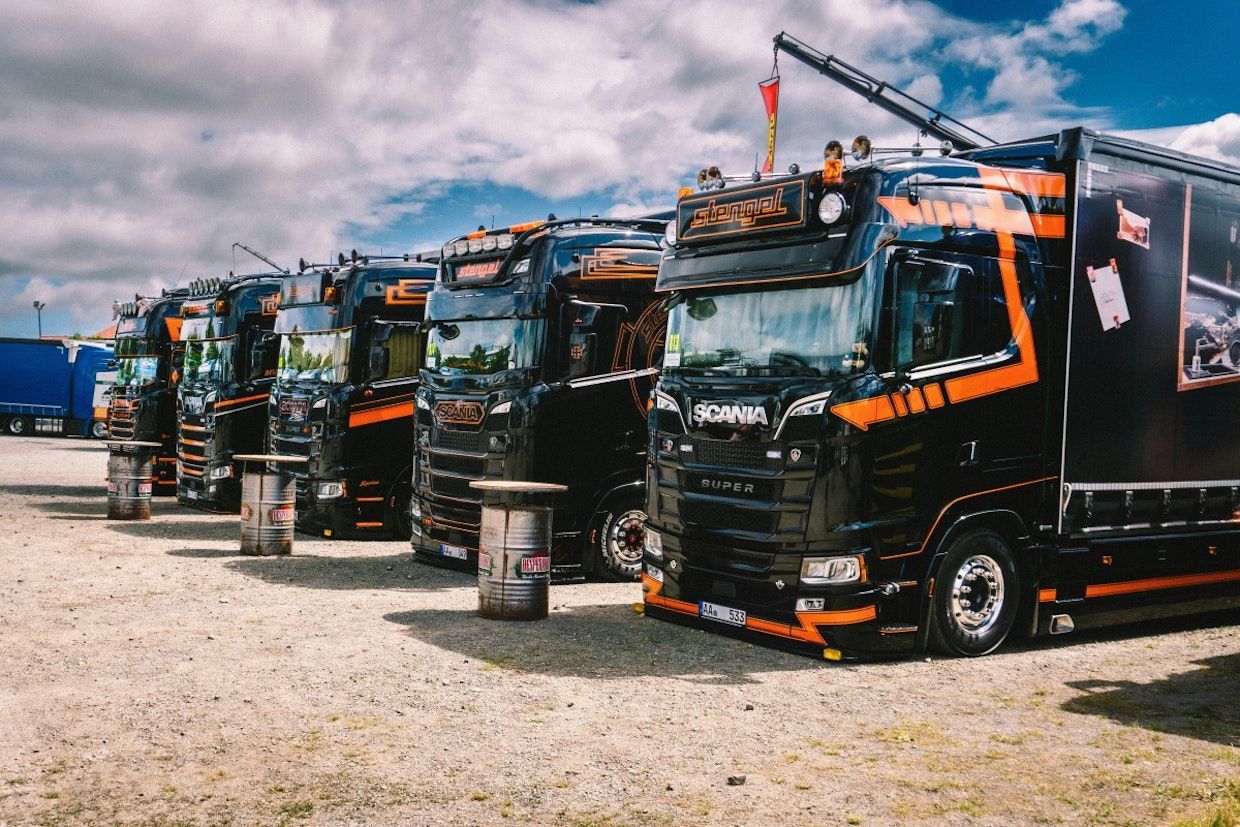
To buy or to lease? That is the question
Buying new pieces of business equipment, plant, machinery or vehicles can be an expensive investment. So, depending on your financial situation, it’s important to weigh up the pros and cons of buying, or opting for a leasing option.
First of all, let’s look at why you might decide to buy the item…
Buying: the pros and cons:
- Pro: It’s a tangible asset – when you buy an item, you own the item outright and it will appear on your balance sheet as one your business assets. As such, by owning these assets outright you increase the perceived capital and value of your business. You can also claim the cost of the asset against your capital allowance for tax purposes.
- Pro: It’s yours for the life of the asset – once you own the item, you have full use of the equipment for the duration of the life of the asset. Your use of the asset isn’t reliant on you being able to keep up regular lease payments, and if your financial circumstances change then you can sell the asset to free up the capital.
- Con: It’s an expensive outlay – paying for the item up-front is a large outlay for the business and will require you having the cash to cover this cost. Spending a large lump sum in this way may take cash away from other areas of the business, so you need to be 100% sure that this purchase is the right decision and a sound investment.
- Con: You may require extra funding – if you don’t have the liquid cash available to buy the item outright, you may need to take out a loan. Asset finance is available from funding providers, but does tie you into a loan agreement that will add to your liabilities as a business – reducing your worth on the balance sheet.
Leasing: the pros and cons:
- Pro: Leasing has a cheaper entry point – if the item you need to purchase has a large price tag, leasing allows you to make use of the asset without the cost of buying it in full. For start-ups and smaller businesses with minimal capital behind them, this can make leasing a very attractive option. You may not own the asset, but you can make use of it – and this may be the difference between the success or failure of your business.
- Pro: You can spread the cost – there is still an associated cost of leasing, but you can spread the cost over a longer period, making it easier to find the necessary liquid cash to meet your lease payments. With this money saved, you can then invest in other areas of the business, helping you to expand, grow and bring in more customers and revenue.
- Con: You don’t own the asset – there are different types of leasing agreement. Under a capital lease, you do own the asset (once you’ve paid if off). But if you opt for an operating lease, this is a more short-term lease and you won’t own the asset at the end of the contract. Ownership does have its advantages (including being able to sell off the asset if required) so it’s important to consider what kind of leasing agreement you’re entering into and what the advantages/disadvantages may be.
- Con: You may pay more in the long run – most leasing agreements will attract additional costs and interest on your agreement, so you may well end up paying more than the market price for your asset in the long term. If you can cope with the higher cost, this is fine, but bear in mind that buying outright may have offered greater value.
- Con: You may lose the use of the asset – if you can’t keep up your lease payments (due to poor cashflow for example) then the owner of the lease agreement may recall the asset. If this item is crucial to your business model, losing this key asset can have a profound impact on your ability to operate. In this respect, leasing is a more risky prospect, but also an easier option for businesses with less cash to splash.
Talk to us about whether buying or leasing is the best way forward
Whether you opt to buy or lease your equipment isn’t always a straightforward decision to make – so it’s a good idea to consult with your accountant early on in the decision-making process.
We’ll help you review your current financial position, assess your available cashflow and look at your regular cost base to decide whether buying or leasing is the right thing for your business.