
Five steps to better cash flow
Anna Stubbs • September 11, 2023

Need a hand managing cash flow? You’re not alone. The key is getting your invoicing right, by invoicing customers as soon as possible and using tools like Xero’s invoice reminders to move payments along.
That said, there are a few other simple rules you can apply to manage your cash flow and get your invoices paid even faster:
- Keep your books accurate and up to date - so you can see your financial state at a glance.
- Don’t be too lenient with your customers - you can be direct and still polite. Keep a close watch on your accounts receivable turnover at all times and act sooner rather than later.
- Keep your accounting simple - so you have a good handle on these business metrics. We can help with this.
- Keep your business and your professional finances separate - this is essential to understanding your true cash flow position. Mixing your business and personal finances can leave you uncertain about business performance.
- Build a cash reserve - so you are prepared for unexpected events and can take advantage of opportunities when they pop up.
First you want to get your invoicing right. Get into a habit of sending invoices quickly. Then follow the steps above to collect revenue and keep your finances organised.
Get in touch for guidance on your invoicing and business cash flow.

Contracting or freelancing requires you to wear a lot of hats. Relationship-building, keeping track of your time, marketing your skills and actually doing the work. But one of your priorities should also be establishing how you handle your money and setting the groundwork for good habits.

The UK’s new Prime Minister Andy Burnham has wasted no time making new tax policies since taking office, having announced a tax cut to remove VAT from domestic electricity bills from 1 October. While this measure is primarily targeted at households, some smaller businesses will, importantly, also be eligible for relief.
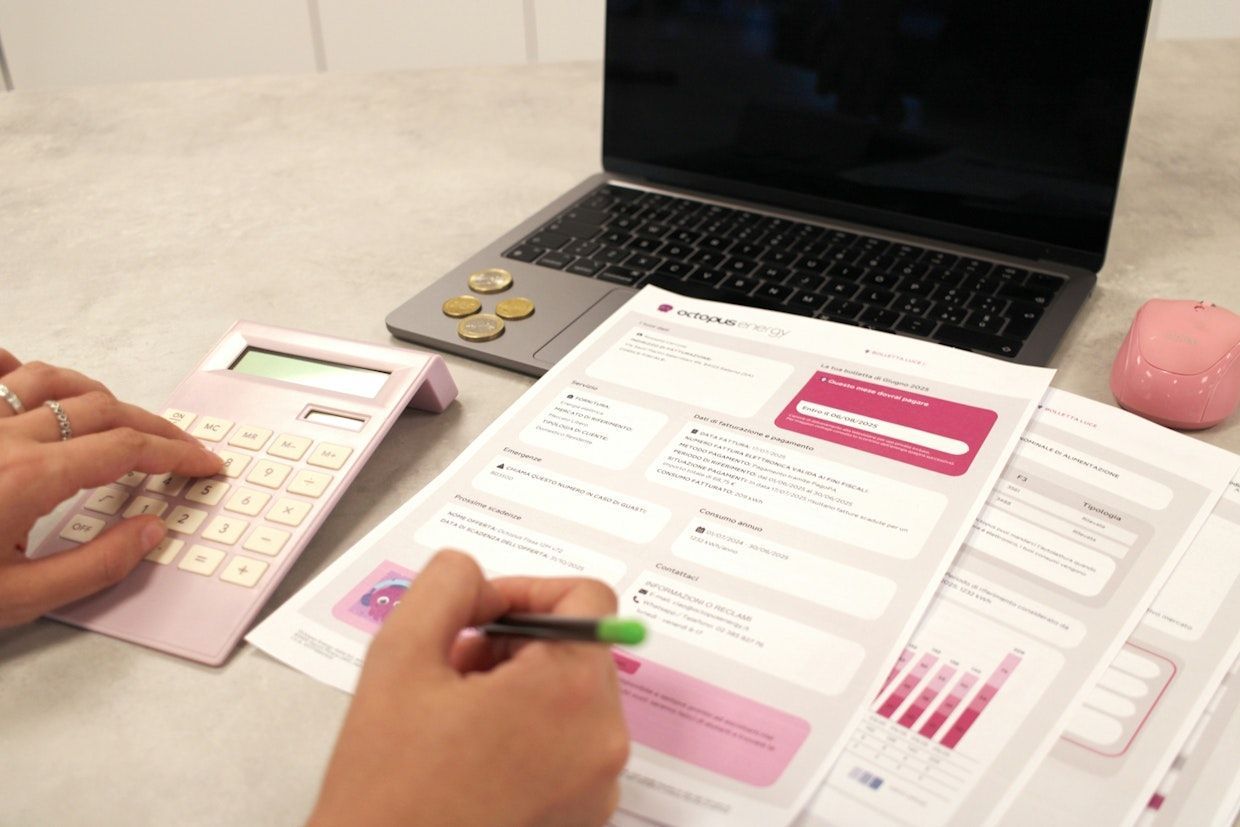
When you’re operating and managing a small business, you have a finite pot of cash to work with. Because of this, it’s incredibly important to manage your cash well and to have clear budgets and spending limits for every area of your business operations. Let’s take a look at why budgeting is such a vital part of your financial management, and what you can do to keep your company on budget and in a positive cashflow position.