
Don't end up paying tax on uncollected debtors!
Anna Stubbs • November 15, 2025
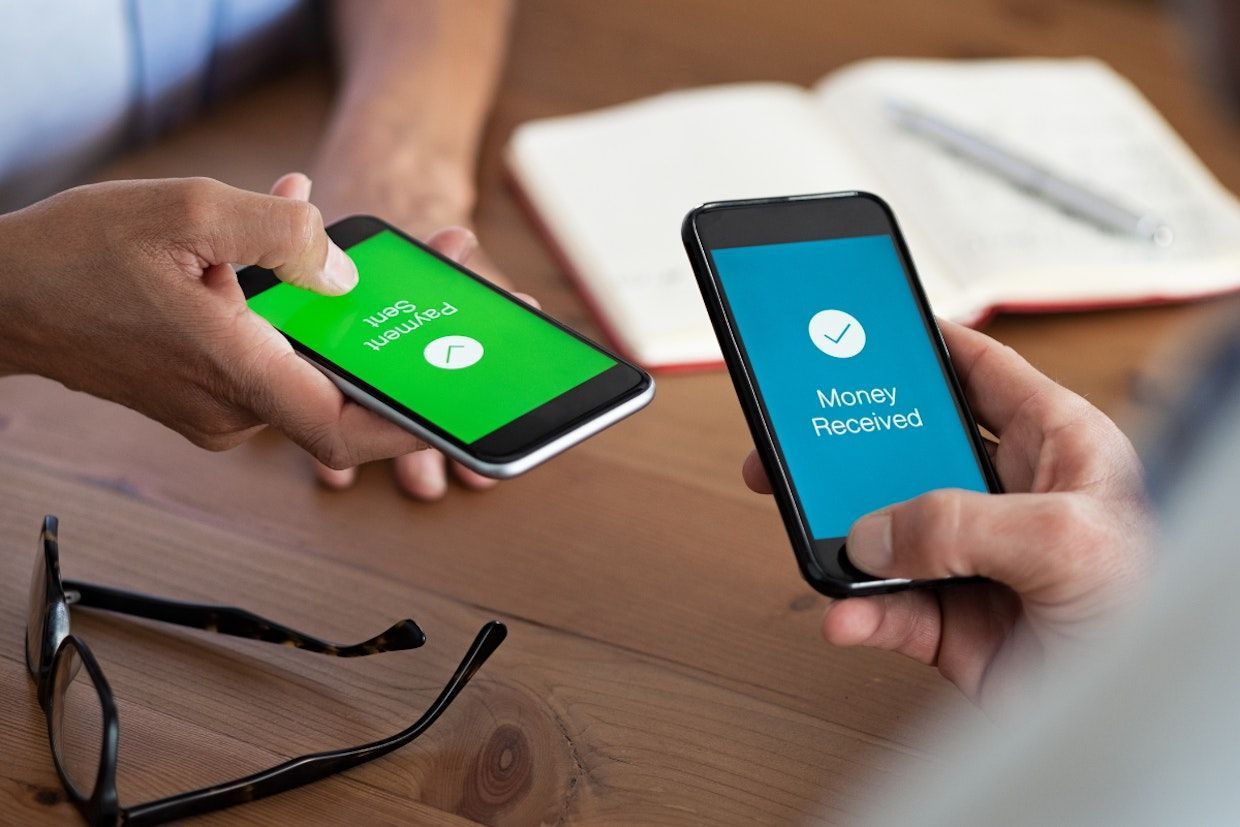
Did you know you still have to pay tax on uncollected debtors? This is because you pay tax on your sales figures irrespective of whether you have collected the cash.
To avoid paying tax on uncollected debt, here are some quick and easy-to-implement debt collection strategies to ensure your hard-earned money is sitting in your bank account (and not in theirs):
- Agree on your payment terms at the time of sale
- Get the Terms of Trade signed off in writing before you start the job
- Include a guarantee in the payment terms
- Ask for a deposit
- Invoice as quickly as you can
- Change your payment terms to 7 days or ‘on delivery’
- Send statements with only two columns – current and OVERDUE
- Schedule overdue reminders and follow up the day after the due date
- Put someone other than the business owner in charge of collection – owners are usually too soft!
- Document what your customers have promised in terms of payment and hold them to it
- Use a debt collector sooner rather than later – the longer you leave it, the harder the debt will be to collect
- Stop credit for customers who are late on payment
Take action! Reflect on how many of these ideas you've integrated into your business, and check how many you're actively applying. Don’t let procrastination hold you back — address your debtors today!
“It’s the squeaky wheel that gets the oil” – Anon

MTD for Income Tax started in April 2026 for sole traders and landlords earning over £50,000. Here's what's changed, what's coming, and how to stay on the right side of it.

Contracting or freelancing requires you to wear a lot of hats. Relationship-building, keeping track of your time, marketing your skills and actually doing the work. But one of your priorities should also be establishing how you handle your money and setting the groundwork for good habits.
The UK’s new Prime Minister Andy Burnham has wasted no time making new tax policies since taking office, having announced a tax cut to remove VAT from domestic electricity bills from 1 October. While this measure is primarily targeted at households, some smaller businesses will, importantly, also be eligible for relief.