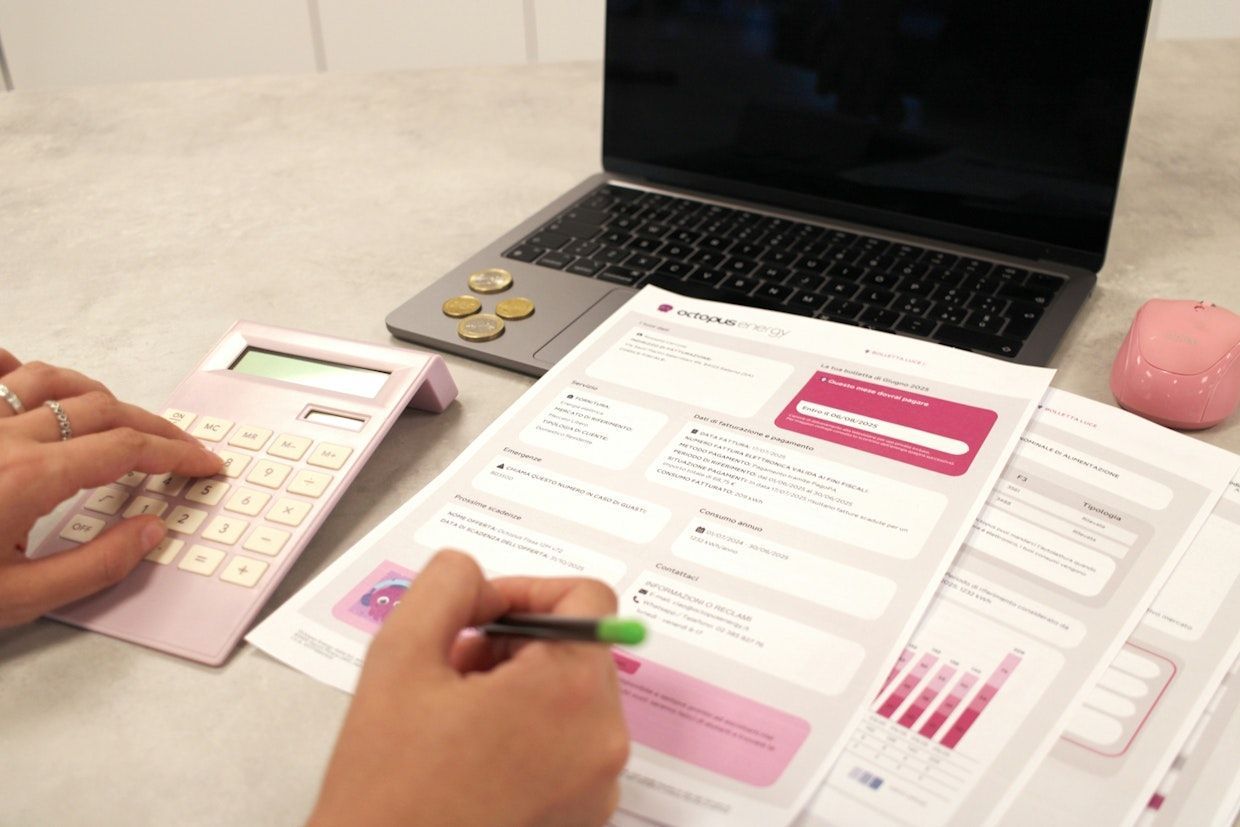
Six steps to better cash flow

Anna Stubbs • June 23, 2026

Need a hand managing cash flow? You’re not alone. The key is getting your invoicing right, by invoicing customers as soon as possible and using tools like Xero’s invoice reminders to move payments along.


That said, there are a few other simple rules you can apply to manage your cash flow and get your invoices paid even faster:


  1. Keep your books accurate and up to date - so you can see your financial state at a glance.
  2. Don’t be too lenient with your customers - you can be direct and still polite. Keep a close watch on your accounts receivable turnover at all times and act sooner rather than later.
  3. Keep your accounting simple - so you have a good handle on these business metrics. We can help with this.
  4. Keep your business and your professional finances separate - this is essential to understanding your true cash flow position. Mixing your business and personal finances can leave you uncertain about business performance.
  5. Build a cash reserve - so you are prepared for unexpected events and can take advantage of opportunities when they pop up.
  6. Track your cashflow and forecast - whether it's automated reporting, AI, or a custom report we prepare for you, staying on top of your cashflow and making sure you have funds to operate smoothly is crucial.


First you want to get your invoicing right. Get into a habit of sending invoices quickly. Then follow the steps above to collect revenue and keep your finances organised.


Get in touch for guidance on your invoicing and business cash flow, if you need support tracking or projecting your cashflow we're here to help.


By Anna Stubbs June 23, 2026
With many businesses expecting a lower profit this financial year, the more prepared you can be for the unexpected, the better. Managing expenses is a good idea at any stage in your business and you can also consider increasing your prices to improve your margins. Smart ways to get your costs under control Cashflow has been a big issue for thousands of businesses this year, and when the money’s not rolling in, it can help to rethink your costs. To do it effectively involves more than just keeping an eye on outgoings. It’s about looking at all the moving parts of your business to see if your systems (or lack of) are costing you unnecessarily. Here’s how: Muck in - Do a cost control audit to work out where your big cost centres are, and look at your systems for managing them. Be aware - Don’t just slash your expenses without considering impacts. Also track costs and look out for opportunities to trim fat or take a different approach to get the same result. Unite your team - Bring everyone together to monitor and analyse inputs and expenses. Reviewing and developing your systems? Get your team’s feedback. Look to your peers - How do your costs compare to others? If a business of a similar size and production system to you is performing well, but spending less, explore what they’re doing differently. Seek advice - Got a good idea of where the issues are, or feeling totally confused? Talk to your advisors about your next steps. How can I put my prices up without losing customers? If you need to change your pricing to make ends meet, be honest and up-front with your customers at all communication points. Make it clear on your website and social media that prices have changed and why. Send an email to let all your clients and suppliers know about the changes. Meeting people face-to-face? Make sure they’re aware of the price hikes before they’re invoiced, no one likes a nasty surprise and many countries and regions have fair trading and/or consumer protection acts. Provide the best customer experience you can by updating staff on any changes and advising them on how to communicate these with customers. Worried you’ll lose fans? Consider staggering price increases of individual products over time. Get in touch if you'd like us to help with an analysis of your margins and expenses.
By Anna Stubbs June 23, 2026
It goes without saying that communication in the workplace is extremely important. Oftentimes, people will need to communicate with others, whether that’s a phone call to secure a sale, a chat with a team member, or an email about a cross-departmental project. What’s more, with hybrid working having become more entrenched in the post-pandemic era, effective communication has never been more important. The seven Cs of communication One way to improve the quality of communication in the workplace is to adopt the ‘seven Cs of communication’ - a concept first introduced in the 1950s by Scott M. Cutlip and Allen H. Center in their book, Effective Public Relations. Although these foundational concepts for effective communication have been around for many decades, they remain a useful guideline that can be used by remote, office, or hybrid workers alike. The seven Cs highlight how communications should be: Clear. Messages should be delivered with clarity: that means easy-to-understand language that avoids the use of jargon or slang to convey a point. Being clear in communications also means not using overly technical terms without clarification. Concise. No one enjoys reading stuffy prose that rambles. Removing excess filler from communications will help readers remember the point of your message more easily, while making your overall message more memorable. Complete. All essential details should be included in a message to minimise misunderstanding or confusion. Coherent. To ensure a smooth read, a message’s structure should be logical and consistent throughout. Concrete. Using specific, precise terms can help remove vagueness from your messages, and help avoid misunderstandings caused by ambiguity. Correct. Correct grammar and punctuation is an essential part of communication. Similarly, if using technical language, make sure that any terms are used in their correct context, and can be understood by the target audience. Courteous. Being respectful in how you word your messages, and remaining polite at all times, not only builds goodwill among colleagues, but is essential in fostering a positive workplace environment. Similarly, make sure to be timely in your responses – if you’re backlogged with work and know you’ll take a few days to get back to someone about a query, let that person know upfront. Follow the seven Cs to minimise misunderstandings, and to create thoughtful, memorable messages that encourage teamwork, no matter where your team is located.
By Anna Stubbs June 23, 2026
One of the biggest challenges in business stems from TLT - Too Little Time. A great solution to this is to delegate more - either to existing team members or outsourcing. Look at the number of hats you’re wearing and see if you can delegate any of them.