Keeping your tax and expenses in check when you are self-employed
Contracting or freelancing requires you to wear a lot of hats. Relationship-building, keeping track of your time, marketing your skills and actually doing the work. But one of your priorities should also be establishing how you handle your money and setting the groundwork for good habits.

Understand your deductions
Before you start, it’s essential to understand what expenses you can and can’t claim. This means you’ll keep the right receipts and track the right expenses. Figuring out what’s what can be a little confusing as everyone has a different working set up and what you can claim for can vary between industries and occupations. Talk to us about your business expenses from the beginning. This will also help you plan for any bigger work-related purchases that you may need to make.
Get a system sorted
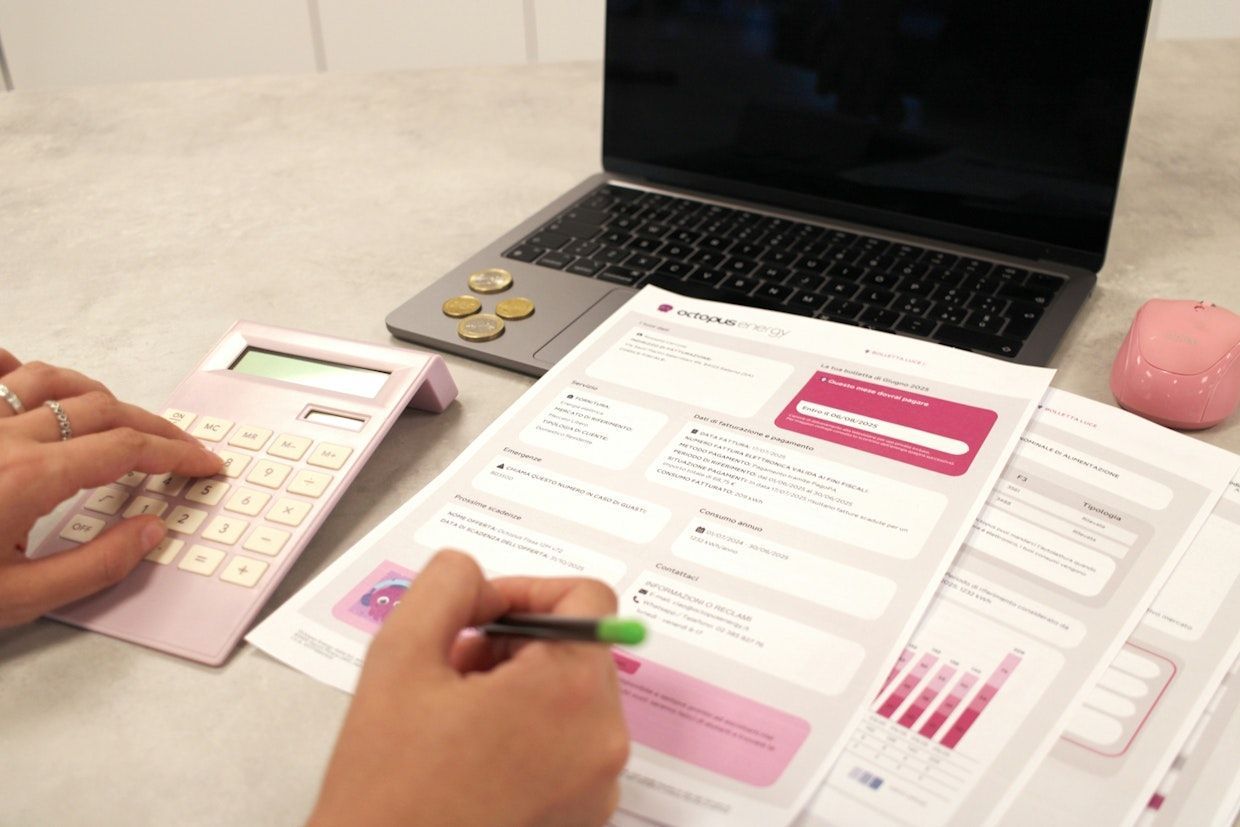
You’ll thank yourself later for setting up a good system now. Getting your expenses recorded and your invoices collated means you’ll be able to spend more time doing the important stuff in your business. It’s not just about saving time - keeping on top of your cash means you’re more likely to succeed. Do your research and choose a system that will work for you. Consider choosing a software platform which allows you to record your time spent on projects, it’ll make sending those invoices that much easier!
Stash that cash
When you’re running your own business or working for yourself, it’s important to always keep your tax obligations top of mind. Make sure you have money set aside in a separate account or consider entering into voluntary instalments.
One way to budget and keep on top of your business tax is to pay yourself a wage. Keeping your accounts separate also prevents you from thinking of all your business income as spending cash! Remember to also put aside a little extra to cover your holidays and any quiet periods.
We can help make this process easier, so talk to us about setting up systems that take the headaches out of your finances.