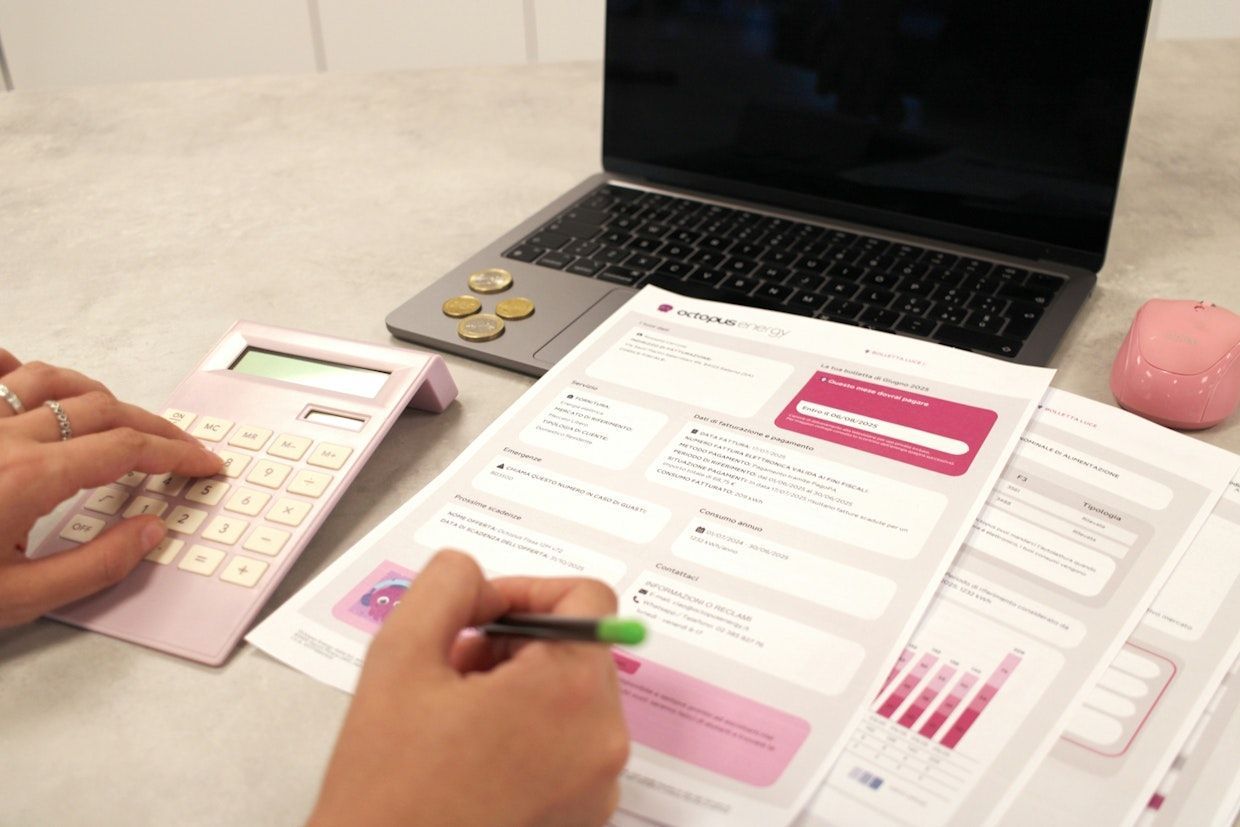
Does the electricity cut help your small business?
The UK’s new Prime Minister Andy Burnham has wasted no time making new tax policies since taking office, having announced a tax cut to remove VAT from domestic electricity bills from 1 October. While this measure is primarily targeted at households, some smaller businesses will, importantly, also be eligible for relief.
What’s changing?
From 1 October 2026, the rate of VAT on domestic electricity bills will be cut from 5% to 0%, a move that is expected to save households some £45 per year. This rate cut will apply to households in England, Wales, and Scotland, with comparable funding to be provided to the Northern Ireland Executive to provide cost-of-living support to NI households.
All suppliers are expected to pass the VAT reduction on to all customers, including those on fixed tariffs, as they did with the £150 of costs taken off energy bills announced at the last Budget.
Certain small businesses to benefit
As part of the announcement, the Government confirmed that small businesses who qualify for the domestic energy VAT relief and are not registered for VAT, as well as charities and residential care homes eligible for the reduced rate, will also benefit from this measure.
Temporary relief, or not?
So far, this measure is only funded from 1 October 2026 to the end of this financial year (31 March 2027). Any further action, including on funding for longer-term measures, will be taken at the next Budget.
Does your business qualify?
Unsure of whether your small business qualifies for electricity bill relief, or interested in hearing about other ways that your business can save on costs? Speak to a member of our team today to find out more.