
5 signs you’re undercharging
Anna Stubbs • March 16, 2023
Are you undercharging for your services? It can be hard to tell, particularly if you’re in a niche industry or you’re a contractor. Costs have been rising, so it may be time to rethink your own pricing.

Here are five signs that you might be undercharging:
- Nobody ever questions your quotes - Do all your new clients accept your quotes or charges without asking any questions, requesting a breakdown or wanting a discount? It’s possible they’re delighted to be getting such a great deal.
- You run off your feet but you can’t afford to get help - When you’re working yourself to the bone, but there’s not enough money left over to employ someone to help you, your prices are too low – or something else needs to change.
- Your prices have been the same for two years or more - In most industries, prices increase just slightly each year. Leave your prices flat for too long and you’re not keeping up with the market; make sure you review your fees annually.
- You’re overbooked - When business is booming and there’s no room for new clients, it’s time to raise your prices.
- Clients don’t treat you as well as they should
- When clients think they’re paying peanuts, they’ll often take you for granted. They don’t see your time as valuable, so they feel free to mess you around.
What should you be charging?
Finding your pricing sweet spot could take a little time. You’ll need to do some research, maybe ask around a little, and find out where your competitors are pitching their rates. We can help too – if we have clients in similar industries we might be able to give you some indication of typical fees, so give us a call or drop us a note. We’d love to hear from you.

MTD for Income Tax started in April 2026 for sole traders and landlords earning over £50,000. Here's what's changed, what's coming, and how to stay on the right side of it.

Contracting or freelancing requires you to wear a lot of hats. Relationship-building, keeping track of your time, marketing your skills and actually doing the work. But one of your priorities should also be establishing how you handle your money and setting the groundwork for good habits.
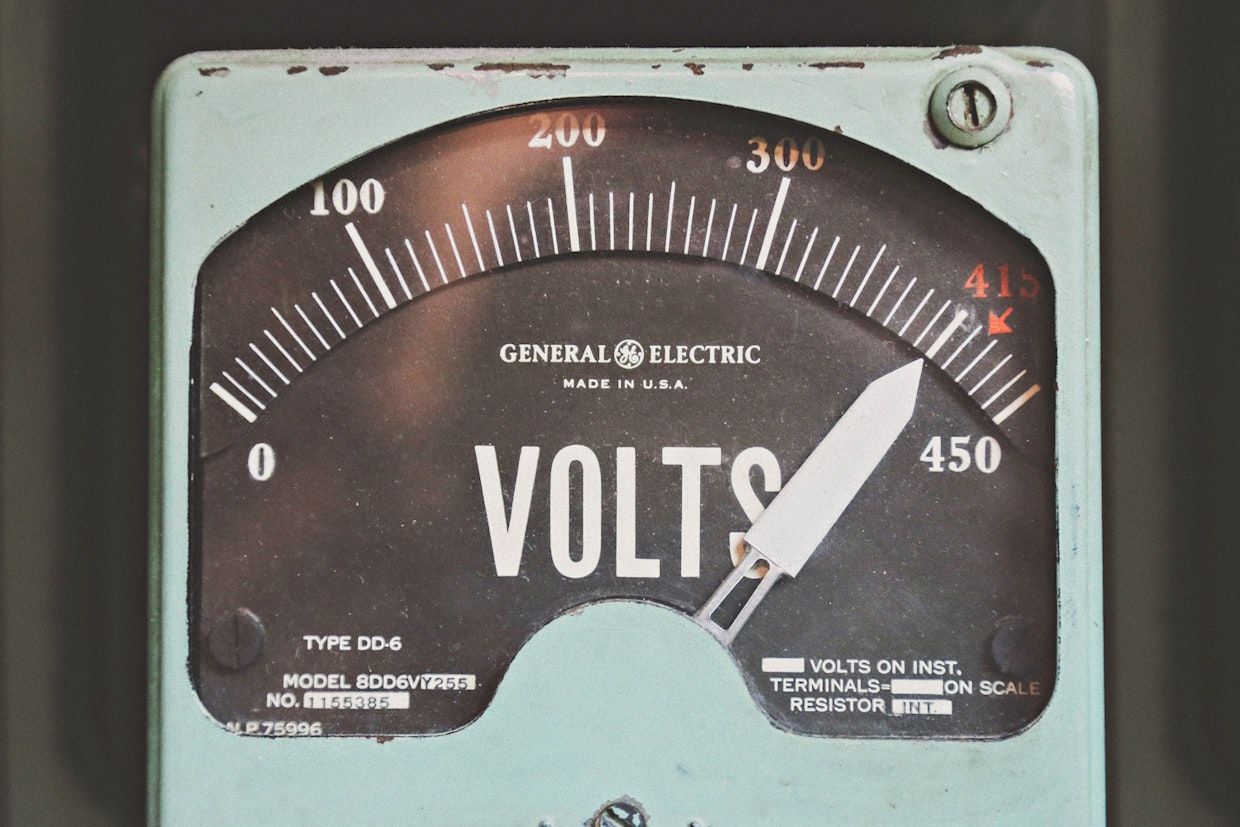
The UK’s new Prime Minister Andy Burnham has wasted no time making new tax policies since taking office, having announced a tax cut to remove VAT from domestic electricity bills from 1 October. While this measure is primarily targeted at households, some smaller businesses will, importantly, also be eligible for relief.